Understanding Chinchilla Behavior: Why Do They Bite?
Chinchillas are adorable and fluffy creatures that make great pets. They are known for their soft fur, playful personalities, and overall cuteness. However, like any other animal, chinchillas have their own unique behaviors and tendencies. One of the most common issues that chinchilla owners face is biting. If you have a chinchilla that bites, you may be wondering why they do it and how you can fix this behavior. In this article, we will delve into the reasons behind chinchilla biting and provide some tips on how to address this issue.
First and foremost, it is important to understand that biting is a natural behavior for chinchillas. In the wild, chinchillas use their teeth to defend themselves from predators and to establish dominance within their social hierarchy. This instinctual behavior can carry over to domesticated chinchillas, especially if they feel threatened or are trying to assert their dominance.
Another reason why chinchillas may bite is due to fear or discomfort. Chinchillas are prey animals, which means they are constantly on alert for potential danger. If they feel scared or uncomfortable, they may resort to biting as a means of self-defense. This is especially common in chinchillas that have not been properly socialized or have had negative experiences with humans in the past.
Additionally, chinchillas may also bite out of frustration or boredom. These animals are highly active and intelligent, and they require mental and physical stimulation to stay happy and healthy. If a chinchilla is not provided with enough opportunities for play and exercise, they may become bored and resort to biting as a way to release their pent-up energy.
Now that we have a better understanding of why chinchillas bite, let’s discuss some ways to address this behavior. The first step is to identify the trigger for your chinchilla’s biting. Is it fear, discomfort, or boredom? Once you have identified the root cause, you can take appropriate measures to address it.
If your chinchilla is biting out of fear or discomfort, it is important to create a safe and comfortable environment for them. This includes providing hiding spots, such as tunnels or boxes, where they can retreat to when they feel threatened. It is also crucial to handle your chinchilla gently and with care, as rough handling can cause them to feel scared and defensive. Gradually introducing your chinchilla to new people and situations can also help them feel more at ease and reduce their tendency to bite.
For chinchillas that bite out of boredom, it is important to provide them with plenty of mental and physical stimulation. This can include toys, such as chew blocks and tunnels, as well as opportunities for exercise, such as a large wheel or a playpen. It is also recommended to rotate their toys and provide new ones regularly to keep them engaged and prevent boredom.
In addition to addressing the root cause of biting, there are also some general tips that can help prevent this behavior. First, it is important to always approach your chinchilla calmly and avoid sudden movements. This will help them feel more at ease and less likely to bite. It is also important to never punish your chinchilla for biting, as this can cause them to become more fearful and defensive.
In conclusion, chinchillas may bite for various reasons, including instinctual behavior, fear, discomfort, and boredom. As responsible pet owners, it is our duty to understand and address these behaviors in a humane and effective manner. By creating a safe and stimulating environment for our chinchillas and handling them with care, we can help reduce their tendency to bite. Remember, patience and consistency are key when it comes to modifying any behavior, and with time and effort, your chinchilla’s biting can be resolved.
Tips for Training Your Chinchilla to Stop Biting
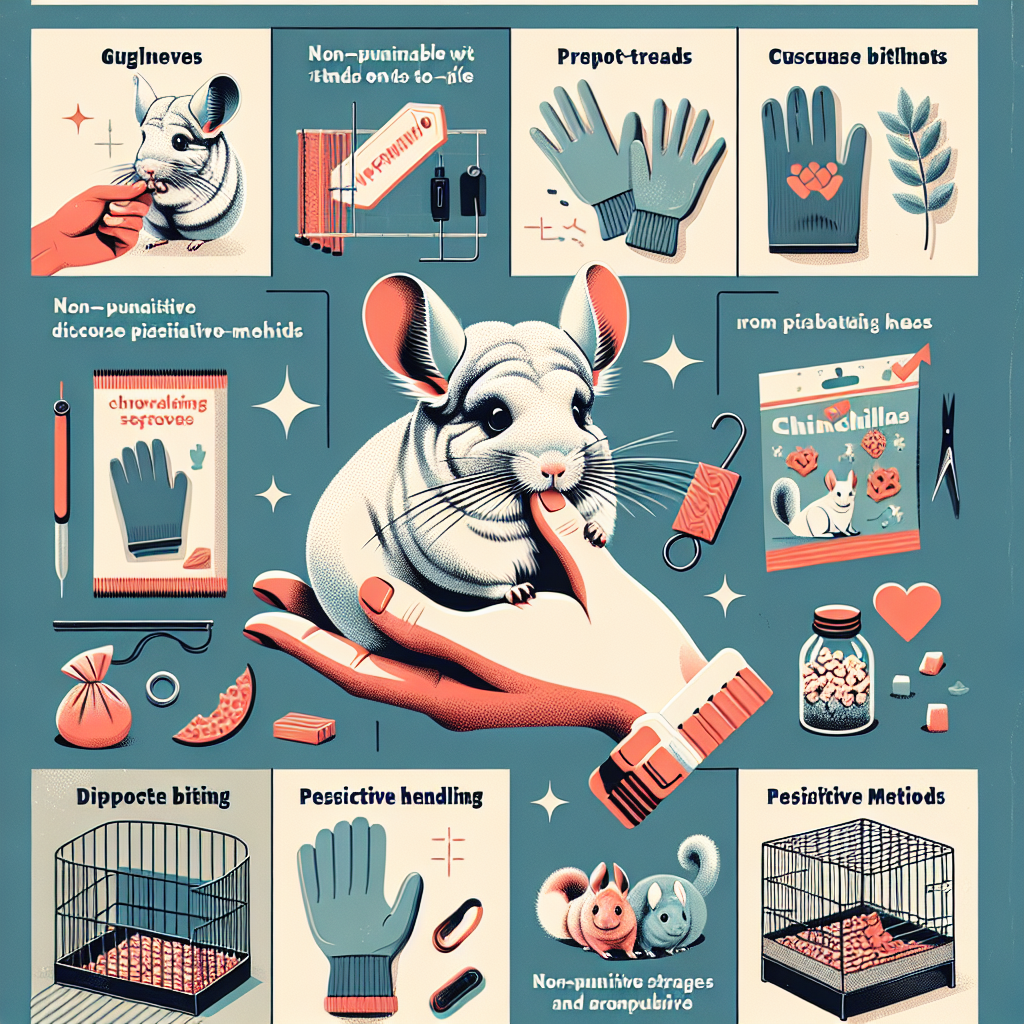
Chinchillas are adorable and playful creatures that make great pets. However, just like any other animal, they have their own unique behaviors and tendencies. One of the most common issues that chinchilla owners face is biting. If your chinchilla has a habit of nipping or biting, don’t worry, you’re not alone. In this article, we’ll discuss some tips for training your chinchilla to stop biting.
First and foremost, it’s important to understand why your chinchilla is biting. There could be several reasons for this behavior, such as fear, aggression, or simply trying to get your attention. It’s essential to observe your chinchilla’s body language and behavior to determine the root cause of their biting.
If your chinchilla is biting out of fear, it’s crucial to create a safe and comfortable environment for them. Chinchillas are prey animals, so they can easily get scared by loud noises or sudden movements. Make sure their cage is in a quiet and peaceful area of your home. Also, avoid making any sudden movements or loud noises around them. This will help your chinchilla feel more secure and less likely to bite.
Another reason for biting could be aggression. Chinchillas are social animals, but they can also be territorial. If you have more than one chinchilla, make sure they have enough space and resources to avoid any conflicts. If your chinchilla is biting out of aggression towards you, it’s essential to establish yourself as the dominant figure. This can be done through gentle but firm handling and consistent training.
Sometimes, chinchillas may bite as a way to get your attention. If this is the case, it’s important not to reinforce this behavior by giving them attention when they bite. Instead, try to redirect their attention to a toy or treat. This will teach them that biting is not an effective way to get your attention.
Now that we’ve discussed some possible reasons for biting let’s move on to some tips for training your chinchilla to stop this behavior. The first and most crucial step is to be patient and consistent. Chinchillas are intelligent animals, but they also have their own personalities and may take some time to learn new behaviors.
One effective method for training your chinchilla to stop biting is through positive reinforcement. This means rewarding good behavior with treats or praise. Whenever your chinchilla shows positive behavior, such as not biting, make sure to reward them immediately. This will help them associate good behavior with positive outcomes.
On the other hand, it’s essential to avoid punishing your chinchilla for biting. This can create fear and mistrust, which can lead to more aggressive behavior. Instead, try to redirect their attention to a toy or treat when they bite. This will teach them that biting is not acceptable behavior.
Consistency is key when it comes to training your chinchilla. Make sure to use the same commands and techniques every time. This will help your chinchilla understand what is expected of them and what behavior is not acceptable.
In addition to positive reinforcement, you can also try using a spray bottle filled with water to discourage biting. Whenever your chinchilla bites, give them a quick spray of water. This will startle them and teach them that biting leads to an unpleasant experience.
In conclusion, biting is a common issue that chinchilla owners face, but it’s not impossible to overcome. By understanding the reasons behind your chinchilla’s biting and using consistent and positive training methods, you can teach them to stop this behavior. Remember to be patient and consistent, and with time, your chinchilla will learn to be a well-behaved and loving pet.
Alternative Solutions for Dealing with a Biting Chinchilla
Chinchillas are adorable and playful creatures that make great pets. However, just like any other animal, they have their own unique behaviors and tendencies. One of the most common issues that chinchilla owners face is biting. It can be frustrating and even painful when your furry friend decides to use their sharp teeth on you. But fear not, there are alternative solutions for dealing with a biting chinchilla.
First and foremost, it is important to understand why your chinchilla is biting. There could be several reasons for this behavior, such as fear, aggression, or even playfulness. It is crucial to observe your chinchilla’s body language and behavior to determine the root cause of their biting. This will help you choose the most appropriate solution for your specific situation.
If your chinchilla is biting out of fear, it is important to create a safe and comfortable environment for them. Chinchillas are prey animals, so they can easily get scared by sudden movements or loud noises. Make sure their cage is in a quiet and peaceful area of your home. Also, avoid handling them too much or too roughly, as this can also trigger fear and lead to biting. Instead, try to build trust with your chinchilla by offering them treats and speaking to them in a calm and soothing voice.
On the other hand, if your chinchilla is biting out of aggression, it is important to address this behavior immediately. Aggression in chinchillas can be caused by a lack of socialization or territorial behavior. To prevent this, make sure your chinchilla has enough space to roam and play, as well as toys and activities to keep them mentally stimulated. Additionally, consider getting a companion for your chinchilla, as they are social animals and thrive in pairs. However, if the aggression persists, it is best to seek advice from a veterinarian or an experienced chinchilla owner.
Another common reason for biting in chinchillas is playfulness. Chinchillas are naturally curious and love to explore their surroundings. Sometimes, they may mistake your fingers or toes for toys and give them a playful nibble. While this may not be harmful, it is important to discourage this behavior to prevent any accidental injuries. One way to do this is by redirecting their attention to appropriate toys and objects to chew on. You can also gently blow on their face or make a loud noise to startle them and discourage the biting behavior.
In addition to these solutions, there are also some alternative methods that can help with a biting chinchilla. One of these is using bitter apple spray. This spray has a strong and unpleasant taste that can deter your chinchilla from biting. However, it is important to note that this should not be used as a long-term solution, as it can also discourage your chinchilla from eating or grooming themselves.
Another alternative solution is using a water spray bottle. This method should only be used as a last resort and in extreme cases of biting. When your chinchilla bites, give them a quick spray of water to startle them and discourage the behavior. However, this should not be used as a form of punishment, as it can cause fear and damage the trust between you and your chinchilla.
In conclusion, dealing with a biting chinchilla can be challenging, but with patience and understanding, it can be resolved. It is important to identify the root cause of the biting and address it accordingly. Creating a safe and comfortable environment, providing enough mental and physical stimulation, and using alternative methods can all help in curbing this behavior. Remember to always handle your chinchilla with care and respect, and seek professional advice if needed. With the right approach, you and your chinchilla can have a happy and bite-free relationship.