Understanding the Behavior of Axolotls: A Guide for Pet Owners
Axolotls are fascinating creatures that have become increasingly popular as pets in recent years. These unique amphibians are known for their ability to regenerate body parts, their cute appearance, and their relatively low maintenance needs. However, like any pet, axolotls have their own set of behaviors that can sometimes be confusing or concerning for their owners. If you notice your axolotl acting out or exhibiting unusual behavior, it might be time for a sit-down to better understand their behavior.
One of the most common behaviors that axolotl owners may notice is their pet hiding or burrowing. This behavior is completely normal and is a natural instinct for axolotls. In the wild, axolotls live in the murky waters of lakes and canals, where they use their strong legs to burrow into the mud and hide from predators. In captivity, axolotls may exhibit this behavior when they feel stressed or threatened. It is important to provide your axolotl with plenty of hiding spots in their tank, such as caves or plants, to make them feel safe and secure.
Another behavior that may seem concerning is when axolotls stop eating. Axolotls are known to be voracious eaters, so a sudden decrease in appetite can be alarming for pet owners. However, there are a few reasons why an axolotl may stop eating. One common reason is that they are shedding their skin, which can take up to a week. During this time, axolotls may not have much of an appetite. Another reason could be that the water temperature is too cold, as axolotls are cold-blooded animals and need a warm environment to digest their food properly. If your axolotl continues to refuse food for an extended period of time, it is best to consult a veterinarian to rule out any underlying health issues.
Axolotls are also known for their ability to regenerate body parts, but this process can sometimes be mistaken for aggressive behavior. When an axolotl loses a limb, it will grow back over time. During this process, the axolotl may nip at the regenerating limb, which can look like they are attacking themselves. This behavior is completely normal and should not be a cause for concern. However, if you notice any signs of infection or excessive bleeding, it is important to seek veterinary care for your axolotl.
One behavior that may be concerning for axolotl owners is when they start to float or swim upside down. This behavior is known as “floating syndrome” and can be caused by a variety of factors, such as poor water quality, constipation, or a swim bladder disorder. It is important to regularly test the water quality in your axolotl’s tank and perform regular water changes to prevent any issues. If your axolotl continues to float or swim upside down, it is best to consult a veterinarian for proper diagnosis and treatment.
Lastly, axolotls are known for their curious and active nature, but they can also become stressed if their environment is not suitable. Axolotls are sensitive to changes in water temperature, pH levels, and water quality. It is important to maintain a stable and clean environment for your axolotl to thrive. Additionally, loud noises or sudden movements can also stress out axolotls. It is best to keep their tank in a quiet and calm area of your home to prevent any unnecessary stress.
In conclusion, understanding the behavior of axolotls is crucial for pet owners to provide the best care for their unique pets. By being aware of their natural instincts and behaviors, you can better understand and address any concerns that may arise. If you notice your axolotl acting out or exhibiting unusual behavior, take the time to observe and assess their environment to ensure they are happy and healthy. And if you have any further concerns, do not hesitate to consult a veterinarian for professional advice. With proper care and attention, your axolotl will continue to thrive and bring joy to your life.
Common Triggers for Axolotl Acting Out and How to Address Them
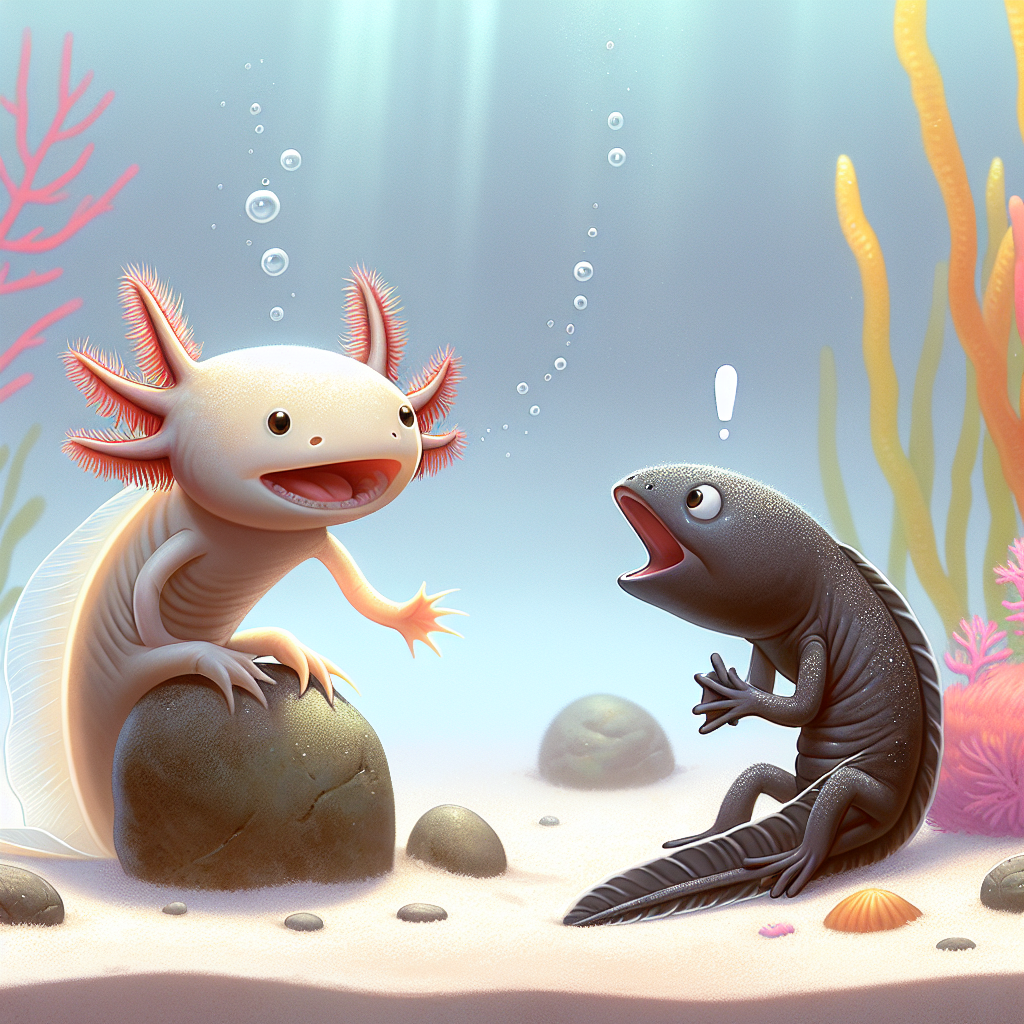
Axolotls are fascinating creatures that have captured the hearts of many pet owners. With their unique appearance and docile nature, they make great pets for both beginners and experienced owners. However, like any other animal, axolotls can sometimes exhibit unusual behavior that may leave their owners puzzled. If you notice your axolotl acting out, it might be time for a sit-down to address the issue.
There are several common triggers that can cause axolotls to act out, and it is essential to understand them to address the problem effectively. One of the most common triggers is stress. Axolotls are sensitive creatures, and any changes in their environment can cause them to become stressed. This stress can manifest in various ways, such as refusing to eat, hiding, or even becoming aggressive.
One of the main causes of stress in axolotls is poor water quality. These amphibians are highly sensitive to changes in water parameters, and any fluctuations can cause them to become stressed. It is crucial to regularly test the water and maintain proper filtration to ensure a healthy environment for your axolotl. Additionally, avoid overcrowding the tank as it can also lead to stress.
Another common trigger for axolotl acting out is inadequate tank size. Axolotls require a minimum of 10 gallons of water per axolotl, and they are known to grow up to 12 inches in length. Therefore, it is essential to provide them with a spacious tank to swim and explore. A cramped tank can cause stress and lead to aggressive behavior.
Lack of hiding spots can also cause axolotls to act out. These creatures are nocturnal and prefer to hide during the day. Without adequate hiding spots, they may become stressed and exhibit unusual behavior. It is recommended to provide at least one hiding spot per axolotl, such as caves or plants, to make them feel secure.
Another trigger for axolotl acting out is improper handling. While axolotls are generally docile, they can become stressed if handled too frequently or roughly. It is essential to handle them with care and only when necessary, such as during tank maintenance. When handling your axolotl, make sure to support their body and avoid grabbing them by their limbs, as this can cause injury and stress.
In some cases, axolotls may act out due to boredom. These creatures are intelligent and require mental stimulation to thrive. Without enough enrichment activities, they may become bored and exhibit unusual behavior. It is recommended to provide them with toys, such as floating objects or live food, to keep them entertained.
If you have addressed all the common triggers and your axolotl is still acting out, it might be time for a sit-down to observe their behavior closely. Sometimes, axolotls may act out due to illness or injury. Look for any physical signs of illness, such as discoloration, lesions, or abnormal growths. If you notice any of these symptoms, it is crucial to consult a veterinarian who specializes in exotic animals.
In conclusion, axolotls are unique and sensitive creatures that require proper care and attention. If you notice your axolotl acting out, it is essential to address the issue promptly. By understanding the common triggers and providing a suitable environment for your axolotl, you can ensure their well-being and happiness. Remember, a happy axolotl is a healthy axolotl.
The Importance of Proper Care and Environment for a Well-Behaved Axolotl
Axolotls, also known as Mexican walking fish, are fascinating creatures that have captured the hearts of many pet owners. With their unique appearance and interesting behaviors, it’s no wonder why they have become popular pets. However, like any other pet, axolotls require proper care and a suitable environment to thrive and behave well.
One of the most important aspects of caring for an axolotl is providing the right environment. These amphibians are native to the lakes and canals of Mexico, and therefore, require specific conditions to mimic their natural habitat. This includes a cool temperature between 60-68 degrees Fahrenheit, clean and filtered water, and hiding spots such as plants or caves.
Maintaining the right temperature is crucial for the health and behavior of axolotls. If the water is too warm, it can lead to stress and even death. On the other hand, if the water is too cold, it can slow down their metabolism and make them more susceptible to diseases. It’s essential to invest in a good quality aquarium heater and thermometer to ensure the water temperature is within the recommended range.
Another crucial factor in providing a suitable environment for axolotls is water quality. These creatures are sensitive to changes in water chemistry, and even small fluctuations can have a significant impact on their behavior. It’s essential to regularly test the water for pH, ammonia, nitrite, and nitrate levels and perform partial water changes as needed. A good filtration system is also necessary to keep the water clean and free from harmful substances.
In addition to temperature and water quality, axolotls also need hiding spots in their tank. These creatures are nocturnal and prefer to spend most of their time in dark and secluded areas. Without proper hiding spots, they can become stressed and exhibit aggressive behaviors. Adding live or artificial plants, rocks, and caves can provide them with the necessary hiding spots and make them feel more secure in their environment.
Aside from the physical environment, proper care and handling are also crucial for the behavior of axolotls. These creatures are delicate and should be handled with care. Rough handling or frequent handling can cause them stress and lead to aggressive behaviors. It’s best to limit handling to a minimum and always make sure to wash your hands before and after handling them to avoid transferring any harmful substances.
Feeding is another aspect of care that can affect the behavior of axolotls. These creatures are carnivorous and primarily feed on live or frozen bloodworms, brine shrimp, and small fish. It’s essential to provide them with a varied and balanced diet to ensure they receive all the necessary nutrients. Overfeeding can also lead to health issues and aggressive behaviors, so it’s crucial to follow a feeding schedule and only offer them the amount of food they can consume in a few minutes.
In some cases, despite providing the right environment and care, axolotls may still exhibit aggressive behaviors. This could be due to various reasons, such as overcrowding, incompatible tank mates, or illness. It’s essential to observe their behavior and address any potential issues promptly. If necessary, consult a veterinarian or a reputable axolotl breeder for advice on how to handle the situation.
In conclusion, proper care and environment are crucial for the well-being and behavior of axolotls. By providing them with the right temperature, water quality, hiding spots, and handling, you can ensure that your axolotl will be a well-behaved and happy pet. Remember to always do your research and seek professional advice if needed to give your axolotl the best care possible. After all, a happy and healthy axolotl means a happy and satisfied pet owner.