The Pros and Cons of Owning a Capybara as a Pet
Capybaras, also known as giant rodents, have become increasingly popular as pets in recent years. With their cute and cuddly appearance, it’s no wonder that many people are drawn to the idea of owning one as a pet. However, before making the decision to bring a capybara into your home, it’s important to consider both the pros and cons of owning one as a pet.
One of the main advantages of owning a capybara as a pet is their docile and friendly nature. These creatures are known for their gentle and social personalities, making them great companions for both adults and children. They are also highly intelligent and can be trained to do simple tricks, making them a fun and interactive pet to have around.
Another benefit of owning a capybara is their low maintenance requirements. Unlike other exotic pets, capybaras do not need a lot of specialized care. They are herbivores and can thrive on a diet of hay, grass, and vegetables. They also do not require regular grooming, making them a relatively easy pet to take care of.
Capybaras are also known for their strong bond with their owners. They are highly social animals and form strong attachments with their human companions. This can make them a great source of comfort and companionship for those who live alone or have a busy lifestyle.
However, owning a capybara also comes with its own set of challenges and drawbacks. One of the main concerns with owning a capybara is their size. These animals can grow up to 4 feet in length and weigh up to 140 pounds, making them one of the largest rodents in the world. This means that they require a lot of space to roam and play, which can be difficult for those living in smaller homes or apartments.
Another issue to consider is the legality of owning a capybara as a pet. While they are legal to own in some states, they are considered exotic animals and may require special permits or licenses. It’s important to check with your local authorities before bringing a capybara into your home to ensure that you are following all necessary regulations.
Capybaras also have specific environmental and dietary needs that must be met in order for them to thrive. They require access to water for swimming and cooling off, as well as a large outdoor space to graze and exercise. Their diet must also be carefully monitored to ensure they are getting the proper nutrients and vitamins they need to stay healthy.
Another potential downside of owning a capybara is their lifespan. While they can live up to 12 years in captivity, they are prone to certain health issues such as dental problems and obesity. This means that they may require regular veterinary care and can be costly to maintain.
In addition, capybaras are not suitable pets for everyone. They are not recommended for households with small children or other pets, as they can become territorial and aggressive. They also have a strong odor, which may be off-putting for some people.
In conclusion, owning a capybara as a pet has both its advantages and disadvantages. While they are friendly, low maintenance, and make great companions, they also require a lot of space, have specific care needs, and may not be suitable for all households. Before making the decision to bring a capybara into your home, it’s important to carefully consider all aspects and ensure that you are able to provide the proper care and environment for these unique creatures.
Caring for a Capybara: What You Need to Know
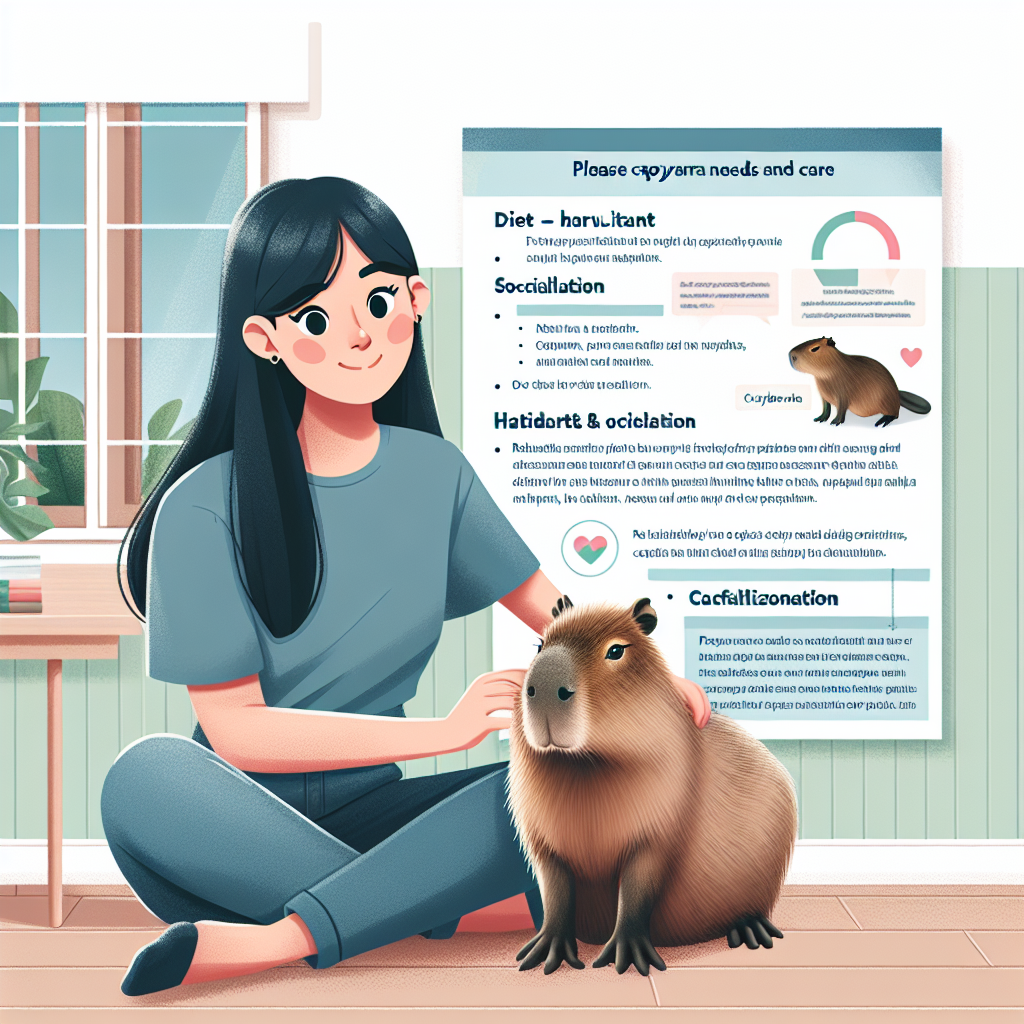
Capybaras, also known as giant rodents, have become increasingly popular as pets in recent years. With their cute and cuddly appearance, it’s no wonder that many people are drawn to the idea of having one as a pet. However, before you rush out to get a capybara, there are some important things you need to know about caring for these unique animals.
First and foremost, it’s important to understand that capybaras are not your typical pet. They are wild animals and have specific needs that must be met in order for them to thrive in a domestic setting. This means that owning a capybara requires a significant amount of time, effort, and resources.
One of the most important things to consider when thinking about getting a capybara is space. These animals are the largest rodents in the world, with some reaching up to 4 feet in length and weighing over 100 pounds. As such, they require a large enclosure to live in. A minimum of 20 square feet per capybara is recommended, with access to a pool or large body of water for swimming. It’s important to note that capybaras are semi-aquatic animals and need to be able to swim and soak in water to maintain their health.
In addition to space, capybaras also have specific dietary needs. In the wild, they primarily eat grasses and aquatic plants. As pets, they require a diet that is high in fiber and low in protein. This can be achieved through a combination of hay, fresh vegetables, and specialized capybara pellets. It’s important to consult with a veterinarian who has experience with capybaras to ensure that your pet is getting the proper nutrition.
Another important aspect of caring for a capybara is socialization. These animals are highly social and live in groups in the wild. As such, it’s recommended to have at least two capybaras if you are considering getting one as a pet. However, it’s important to note that capybaras can be aggressive towards each other, especially during breeding season. It’s crucial to introduce them slowly and carefully and to monitor their interactions closely.
Capybaras also require regular grooming and veterinary care. Their teeth grow continuously, so they need to have access to chew toys and objects to keep their teeth trimmed. They also need to have their nails trimmed regularly and their fur brushed to prevent matting. It’s important to find a veterinarian who is knowledgeable about capybaras and can provide proper care for your pet.
One of the biggest challenges of owning a capybara is finding a veterinarian who is experienced with these animals. Due to their unique needs and specialized care, not all veterinarians are equipped to treat capybaras. It’s important to do your research and find a veterinarian who has experience with exotic animals and specifically capybaras.
In addition to the physical care of a capybara, it’s also important to consider the legal aspects of owning one as a pet. In some areas, it is illegal to own a capybara as a pet, while in others, a permit may be required. It’s crucial to check with your local authorities before bringing a capybara into your home.
In conclusion, while capybaras may seem like cute and cuddly pets, they require a significant amount of time, effort, and resources to properly care for them. From providing adequate space and nutrition to finding a knowledgeable veterinarian, owning a capybara is not a decision to be taken lightly. It’s important to do thorough research and consider all aspects before bringing one into your home. With proper care and attention, capybaras can make wonderful and unique pets, but it’s crucial to understand the commitment and responsibility that comes with owning one.
Is a Capybara the Right Pet for You? Factors to Consider
Capybaras, also known as giant rodents, have been gaining popularity as pets in recent years. With their cute and cuddly appearance, it’s no wonder that many people are considering adding a capybara to their family. However, before making the decision to bring one of these unique animals into your home, there are several factors that you should consider.
First and foremost, it’s important to understand that capybaras are not your typical pet. They are wild animals and have specific needs that must be met in order for them to thrive in captivity. This means that they require a lot of space, both indoors and outdoors, as well as specialized care and attention.
One of the most important factors to consider is the amount of space you have available for a capybara. These animals are the largest rodents in the world, with some reaching up to 4 feet in length and weighing over 100 pounds. They need a large enclosure to roam and graze, as well as a pool of water to swim in. It’s recommended that they have at least 200 square feet of indoor space and access to a yard or pasture for grazing. Without enough space, capybaras can become stressed and develop behavioral issues.
In addition to space, capybaras also have specific dietary needs. They are herbivores and require a diet high in fiber, such as grasses, hay, and vegetables. It’s important to provide them with a varied diet to ensure they are getting all the necessary nutrients. It’s also recommended to consult with a veterinarian who specializes in exotic animals to ensure your capybara is receiving proper nutrition.
Another factor to consider is the cost of owning a capybara. These animals are not cheap to care for. In addition to the initial cost of purchasing a capybara, there are ongoing expenses such as food, veterinary care, and enclosure maintenance. It’s important to have a budget in place and be prepared for unexpected expenses that may arise.
Capybaras are social animals and thrive in groups. If you are considering getting a capybara as a pet, it’s recommended to have at least two so they can socialize and interact with each other. However, this also means that you will need to provide a larger enclosure and be prepared for the added cost of caring for multiple animals.
It’s also important to consider the legalities of owning a capybara. In some areas, it is illegal to own a capybara as a pet. It’s crucial to research and understand the laws and regulations in your area before bringing one into your home. Additionally, some states require a permit or license to own a capybara, so be sure to check with your local authorities.
Capybaras are also known for their strong odor. They have scent glands that they use to mark their territory, and this can result in a strong musky smell. Regular cleaning and maintenance of their enclosure can help minimize the odor, but it’s important to be prepared for this aspect of owning a capybara.
Lastly, it’s important to consider the commitment and responsibility that comes with owning a capybara. These animals can live up to 12 years in captivity, so it’s important to be prepared for a long-term commitment. They also require daily care and attention, so it’s crucial to have the time and dedication to properly care for them.
In conclusion, while capybaras may seem like cute and cuddly pets, they are not suitable for everyone. Before making the decision to bring one into your home, it’s important to carefully consider all the factors mentioned above. Proper research and preparation are key to providing a happy and healthy life for a capybara in captivity.