5 Essential Supplies for Your Pet Axolotl
Axolotls, also known as Mexican walking fish, are fascinating creatures that have become increasingly popular as pets in recent years. These unique amphibians have captivated pet owners with their cute appearance and low-maintenance care requirements. However, like any pet, axolotls require certain supplies to ensure their health and well-being. In this article, we will discuss the top 5 essential supplies for your pet axolotl.
1. Tank
The first and most important supply for your pet axolotl is a suitable tank. Axolotls are aquatic creatures and require a tank that can hold at least 10 gallons of water. It is important to note that axolotls are not strong swimmers, so a tank with a large surface area is preferred over a tall tank. A tank with a length of at least 20 inches and a width of 10 inches is recommended for one axolotl. If you plan on having multiple axolotls, you will need to increase the tank size accordingly.
When setting up the tank, it is crucial to create a suitable environment for your axolotl. This includes providing hiding spots, such as caves or plants, and a substrate that is soft and non-abrasive. Sand or smooth gravel are good options for substrate, as they will not harm your axolotl’s delicate skin.
2. Water Filter
Axolotls produce a lot of waste, so a good water filter is essential for maintaining a clean and healthy tank. A filter with a flow rate of 10-15 gallons per hour is recommended for a 10-gallon tank. It is important to choose a filter that is gentle and does not create strong currents, as this can stress out your axolotl and make it difficult for them to swim.
In addition to a filter, regular water changes are necessary to keep the tank clean. It is recommended to change 25% of the water every week to maintain good water quality. When doing water changes, make sure to use a dechlorinator to remove any harmful chemicals from tap water.
3. Water Test Kit
Axolotls are sensitive to changes in water quality, so it is important to regularly test the water parameters. A water test kit is an essential supply for any axolotl owner. The ideal water parameters for axolotls are a pH level between 6.5-8.0, ammonia and nitrite levels at 0 ppm, and nitrate levels below 40 ppm. If any of these levels are off, it can be harmful to your axolotl’s health. Regular testing and monitoring of water parameters will help you catch any issues early on and prevent potential health problems for your axolotl.
4. Thermometer
Axolotls are cold-blooded animals and require a consistent water temperature to thrive. The ideal water temperature for axolotls is between 60-68°F. A thermometer is necessary to monitor the water temperature and make sure it stays within this range. It is important to note that sudden changes in water temperature can be stressful for axolotls, so it is best to avoid drastic temperature fluctuations.
5. Food
Last but not least, a proper diet is crucial for the health of your axolotl. Axolotls are carnivorous and primarily eat live or frozen foods such as bloodworms, brine shrimp, and blackworms. It is important to provide a varied diet to ensure your axolotl receives all the necessary nutrients. It is also recommended to feed your axolotl small amounts of food twice a day, rather than one large feeding, to prevent overfeeding and maintain good water quality.
In conclusion, caring for a pet axolotl requires a few essential supplies to ensure their health and well-being. A suitable tank, water filter, water test kit, thermometer, and proper food are all necessary for the proper care of these unique creatures. With the right supplies and proper care, your axolotl will thrive and bring joy to your life for years to come.
The Importance of Water Quality for Your Axolotl’s Health
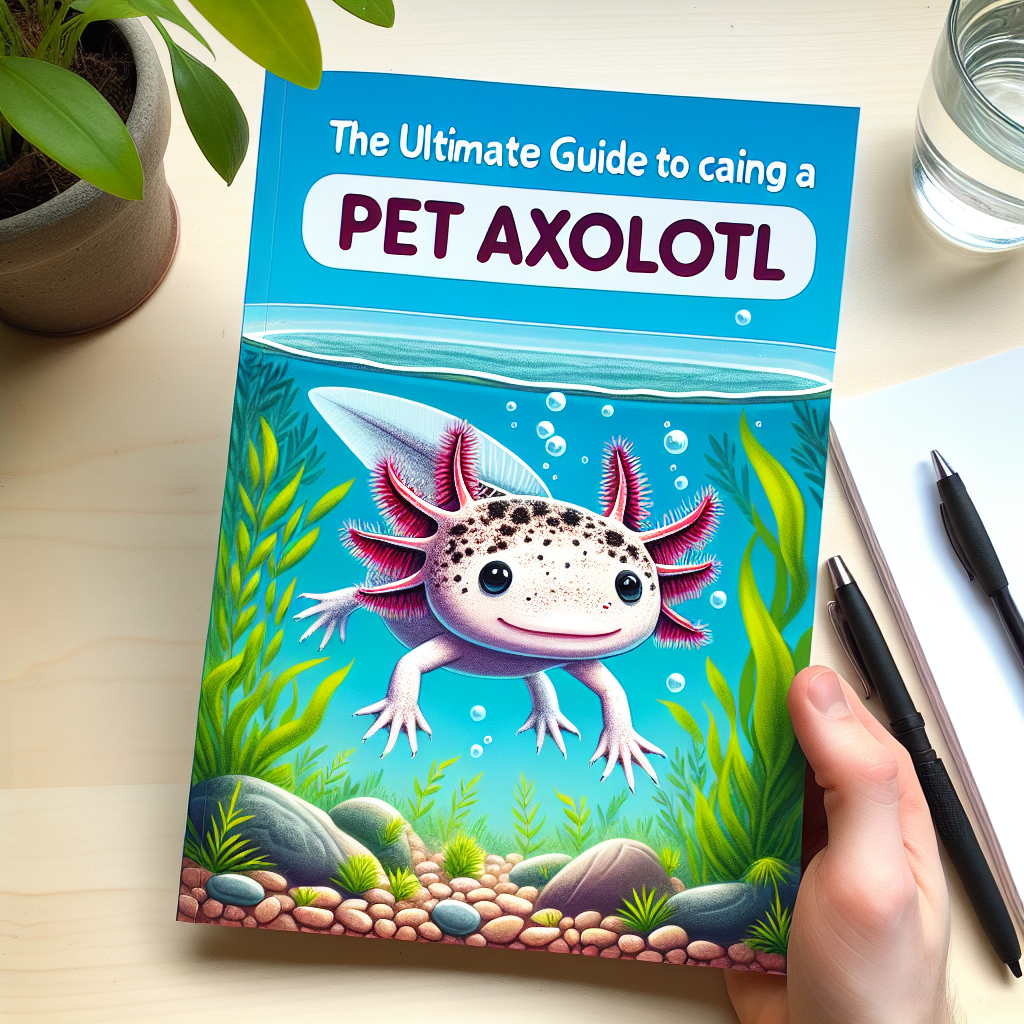
Axolotls, also known as Mexican walking fish, are fascinating creatures that have become increasingly popular as pets in recent years. These unique amphibians have the ability to regenerate lost body parts and can live up to 15 years in captivity. However, caring for an axolotl requires a certain level of knowledge and dedication, especially when it comes to maintaining their water quality.
Water quality is crucial for the health and well-being of your axolotl. As aquatic animals, they spend their entire lives in water, making it their primary source of oxygen and nutrients. Therefore, it is essential to ensure that the water in their tank is clean and free of any harmful substances.
The first step in maintaining water quality for your axolotl is to understand the nitrogen cycle. This process is essential for the breakdown of waste products in the water. Axolotls produce a significant amount of waste, and if not properly managed, it can lead to a build-up of harmful toxins in the water. The nitrogen cycle involves beneficial bacteria that convert toxic ammonia into less harmful substances, such as nitrites and nitrates. These bacteria need time to establish themselves in the tank, so it is crucial to cycle your tank before introducing your axolotl.
Regular water testing is also crucial in maintaining water quality. Ammonia, nitrites, and nitrates should be monitored regularly to ensure they are at safe levels for your axolotl. Ammonia levels should always be at 0 ppm, while nitrites and nitrates should be kept below 20 ppm. If any of these levels are too high, it can be harmful to your axolotl’s health and may even lead to death.
To keep these levels in check, regular water changes are necessary. It is recommended to change 25% of the water in the tank every week. This will help dilute any harmful substances and keep the water clean and healthy for your axolotl. When performing a water change, it is essential to use a water conditioner to remove any chlorine or chloramines from tap water. These chemicals can be harmful to your axolotl and can disrupt the nitrogen cycle.
Another crucial aspect of water quality is the temperature of the water. Axolotls are cold-blooded animals, meaning they cannot regulate their body temperature. Therefore, it is essential to maintain a consistent water temperature between 60-68°F. Fluctuations in temperature can cause stress and weaken your axolotl’s immune system, making them more susceptible to diseases.
In addition to maintaining water quality, it is also essential to provide proper filtration for your axolotl’s tank. A good filtration system will help remove any excess waste and debris from the water, keeping it clean and healthy for your axolotl. However, it is crucial to choose a filter that is suitable for axolotls as they have delicate gills that can be damaged by strong water flow. A sponge filter or a canister filter with a spray bar attachment are good options for axolotl tanks.
Lastly, it is essential to keep the tank decorations and substrate clean. Any uneaten food, waste, or decaying plants can contribute to poor water quality. It is recommended to vacuum the substrate regularly and remove any debris from the tank. Tank decorations should also be cleaned regularly to prevent the build-up of harmful bacteria.
In conclusion, maintaining water quality is crucial for the health and well-being of your pet axolotl. Understanding the nitrogen cycle, regular water testing, water changes, proper filtration, and keeping the tank clean are all essential aspects of ensuring a healthy environment for your axolotl. By following these guidelines, you can provide your axolotl with a clean and safe home, allowing them to thrive and live a long and happy life.
Creating the Perfect Habitat for Your Pet Axolotl: Tank Setup and Maintenance
Axolotls, also known as Mexican walking fish, are fascinating creatures that make unique and low-maintenance pets. These aquatic salamanders have become increasingly popular among pet owners due to their unusual appearance and interesting behaviors. However, caring for an axolotl requires more than just providing food and water. Creating the perfect habitat for your pet axolotl is crucial for their health and well-being. In this article, we will guide you through the process of setting up and maintaining a tank for your pet axolotl.
The first step in creating the perfect habitat for your pet axolotl is choosing the right tank. Axolotls are fully aquatic creatures and require a tank that is at least 20 gallons in size. It is important to note that axolotls are sensitive to changes in water temperature and quality, so a larger tank will provide a more stable environment for them. Additionally, axolotls are known to be escape artists, so make sure the tank has a secure lid to prevent them from jumping out.
Once you have chosen the right tank, the next step is to set it up properly. Start by adding a layer of substrate to the bottom of the tank. Gravel or sand are popular choices, but make sure the substrate is not too small as axolotls can accidentally ingest it while feeding. Next, add plants and decorations to the tank. Live plants are not necessary, but they can help improve water quality and provide hiding spots for your axolotl. Avoid using plastic plants as they can harm your axolotl’s delicate skin.
After setting up the tank, it is important to cycle the water before adding your axolotl. Cycling is the process of establishing beneficial bacteria in the tank that will help break down harmful toxins. This process can take up to 4-6 weeks, so it is crucial to be patient and not rush the process. You can speed up the cycling process by using a bacterial supplement specifically designed for aquariums.
Once the tank is cycled, it is time to introduce your axolotl to their new home. When handling your axolotl, make sure to wet your hands first as their skin is sensitive to dryness. Gently place your axolotl in the tank and let them explore their new environment. It is normal for axolotls to hide and be shy at first, so do not be alarmed if you do not see them out and about right away.
Maintaining the tank is crucial for the health of your axolotl. Regular water changes are necessary to keep the water clean and free of harmful toxins. It is recommended to do a 25% water change every week. When changing the water, make sure to use a water conditioner to remove any chlorine or chloramine from tap water. Additionally, test the water regularly for pH, ammonia, and nitrite levels to ensure they are within the appropriate range for axolotls.
Feeding your axolotl is another important aspect of tank maintenance. Axolotls are carnivorous and primarily eat live or frozen foods such as bloodworms, brine shrimp, and blackworms. It is important to feed them a varied diet to ensure they receive all the necessary nutrients. Avoid overfeeding your axolotl as it can lead to health issues and water quality problems.
In addition to regular maintenance, it is important to keep an eye out for any signs of illness in your axolotl. Common health issues in axolotls include fungal infections, bacterial infections, and parasites. If you notice any changes in your axolotl’s behavior or appearance, consult a veterinarian who specializes in exotic pets.
In conclusion, creating the perfect habitat for your pet axolotl requires careful consideration and proper maintenance. Choosing the right tank, setting it up properly, and maintaining water quality are crucial for the health and well-being of your axolotl. With the right care and attention, your axolotl can thrive in their new home and provide you with endless fascination and joy.